What Meditation Really Is
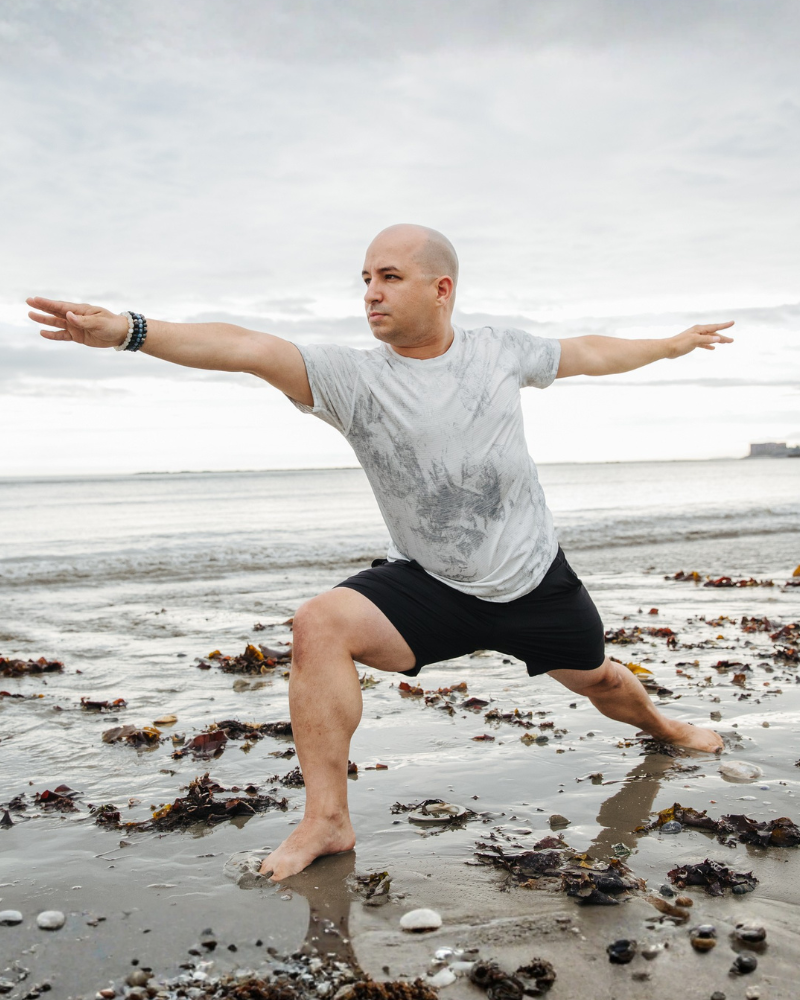
Meditation is to the mind what exercise is to the body. It strengthens, clears, and restores us. Yet for many, the word still feels distant or mystical, something reserved for monks, gurus, or people with endless free time. The truth is simpler and far more generous. Meditation is not about escaping life. It is about learning to be fully present in it.
You do not need a cave in the Himalayas or a perfectly still mind to meditate. You only need a few quiet moments and the willingness to show up for yourself. The practice is available to everyone: the student, the parent, the nurse, the retiree. Meditation is a way of remembering who you are underneath the noise.
A Brief History: Where Meditation Comes From
Meditation has ancient roots that reach back more than 3,000 years. The earliest written references appear in India's Vedic texts, where sages used seated contemplation to understand the mind and touch the sacred. Over centuries, these ideas evolved through the Upanishads and spread through Hindu and Buddhist teachings.
From India, meditation expanded across cultures: from Buddhist monasteries in Tibet to Christian cathedrals, Sufi gatherings, and Zen temples in Japan. Each tradition developed its own approach, yet the essence remained the same, to quiet the surface so that awareness can arise.
Why It Matters: The Benefits
Mind: It enhances focus, memory, and emotional stability. Regular meditation lowers anxiety and builds resilience by training the brain's attention systems.
Body: Meditation helps reduce blood pressure, improves sleep, and supports digestion by calming the nervous system.
Spirit: It cultivates compassion, empathy, and connection, not just to others but also to ourselves.
How to Begin: The Foundations of Practice
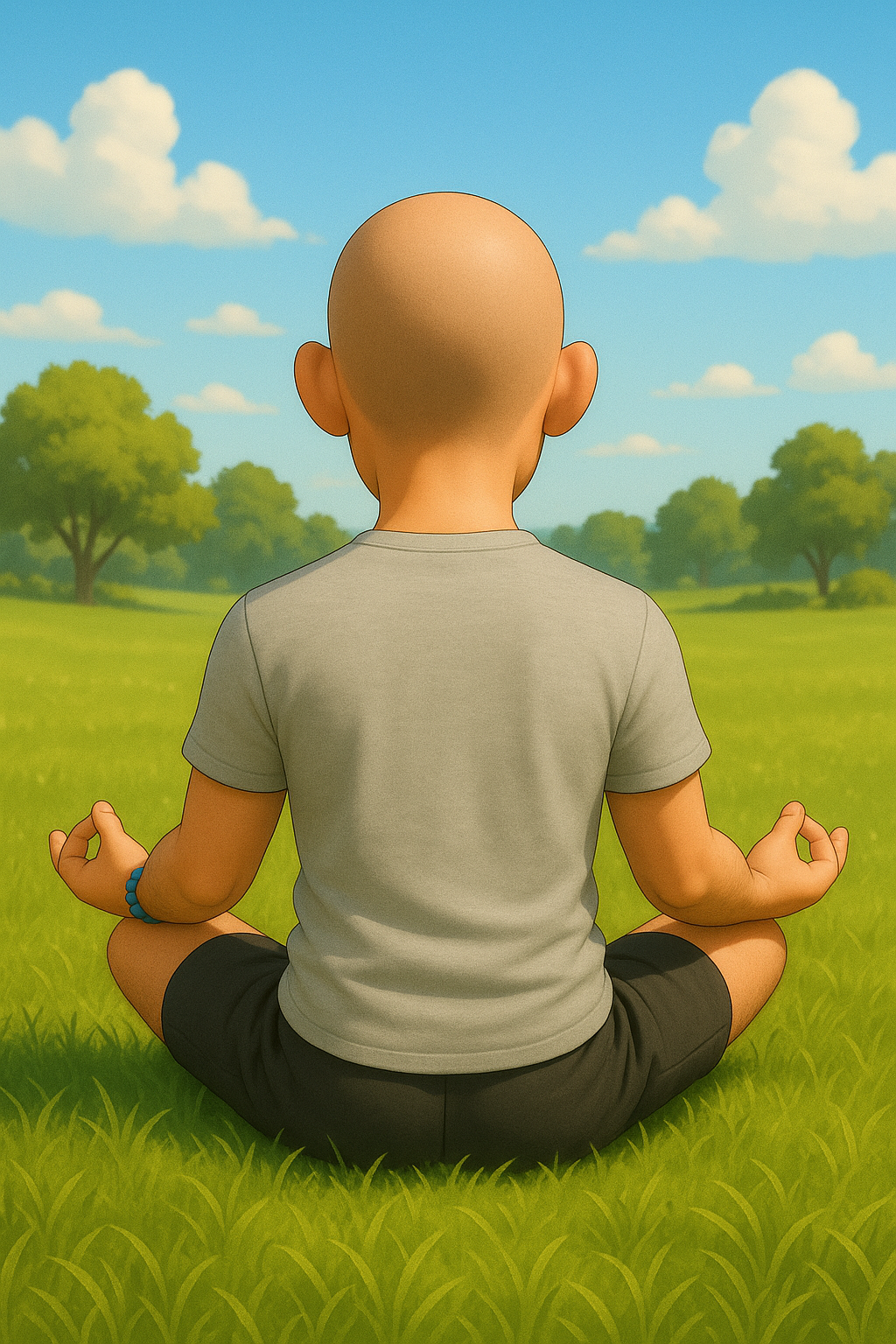
Meditation begins not with perfection but with posture. Sit tall. Relax your shoulders. Soften your gaze. Let your breath lead the way.
You can meditate anywhere: at your desk, in your car before a meeting, sitting on the floor with your morning coffee, or lying in bed before sleep. The place does not matter. The presence does.
Start small and stay steady. Even two minutes a day creates space for stillness.
Understanding the Monkey Mind
Anyone who has ever tried to meditate knows the monkey mind, that restless chatter that jumps from thought to thought like a monkey swinging from branch to branch. It is part of being human.
When we first sit still, we notice just how busy the mind really is. Thoughts about emails, dinner, the past, and the future all compete for attention. The goal of meditation is not to silence the monkey. It is to observe it without grabbing the next branch.
The 5 Timeless Techniques
1. Mindfulness Meditation (Vipassana)
Origin: Rooted in early Buddhist practice, Vipassana means to see clearly.
Purpose: Develops awareness of thoughts, sensations, and emotions without judgment.
How to Practice:
- Sit comfortably and close your eyes.
- Bring attention to your breath and feel it entering and leaving your nose.
- When thoughts arise, notice them, label them gently (thinking), and return to your breath.
2. Mantra Meditation (Japa)
Origin: Ancient Vedic and Hindu traditions. The word Japa means repetition.
Purpose: Uses sound to focus the mind and elevate consciousness.
How to Practice:
- Choose a simple mantra. It could be Om, So Hum (I am that), or a personal affirmation.
- Sit comfortably and repeat it silently or softly aloud.
- Let the vibration of the sound fill your awareness.
3. Loving-Kindness Meditation (Metta)
Origin: Buddhism's Pali Canon. Metta means loving friendship.
Purpose: Cultivates compassion for self and others.
How to Practice:
- Bring to mind someone you love.
- Repeat phrases such as, May you be happy. May you be safe. May you be at peace.
- Gradually extend these wishes to yourself, then to strangers, and even to those who challenge you.
4. Guided Visualization
Origin: Used in both Buddhist and Yogic traditions, later embraced in psychology and modern wellness.
Purpose: Calms the mind through imagery and imagination.
How to Practice:
- Sit comfortably and close your eyes.
- Visualize a peaceful place such as a beach, forest, or space filled with light.
- Engage all senses: hear the waves, smell the air, feel the warmth on your skin.
- Stay with the image for several minutes, returning whenever your mind drifts.
5. Breath Awareness (Pranayama-Based)
Origin: Yoga's ancient science of breath, where Prana means life force.
Purpose: Balances the nervous system and anchors presence.
How to Practice:
- Sit or stand comfortably.
- Inhale slowly through your nose to a count of four.
- Hold briefly, then exhale to a count of four.
- Repeat for several cycles, focusing on the space between breaths.
Consistency and Real-World Practice
Meditation, like yoga, is a lifelong practice. It may not feel natural at first, and that is okay. Even the Buddha did not awaken overnight.
You might not find enlightenment after one session, or even after several, but you might find yourself. You might discover peace, patience, forgiveness, or clarity you did not know you were missing.
In your own life, falling in and out of practice is natural. What matters is returning. Each time you come back, you build trust with yourself.
Try micro-meditations throughout your day:
- One minute before opening your email.
- Two minutes while waiting in line.
- Five breaths before bed.
- A quiet pause before you speak during conflict.
- A short gratitude moment while walking the dog.
Remember, practice does not mean perfection. It means showing up again and again for yourself, your breath, and your peace.